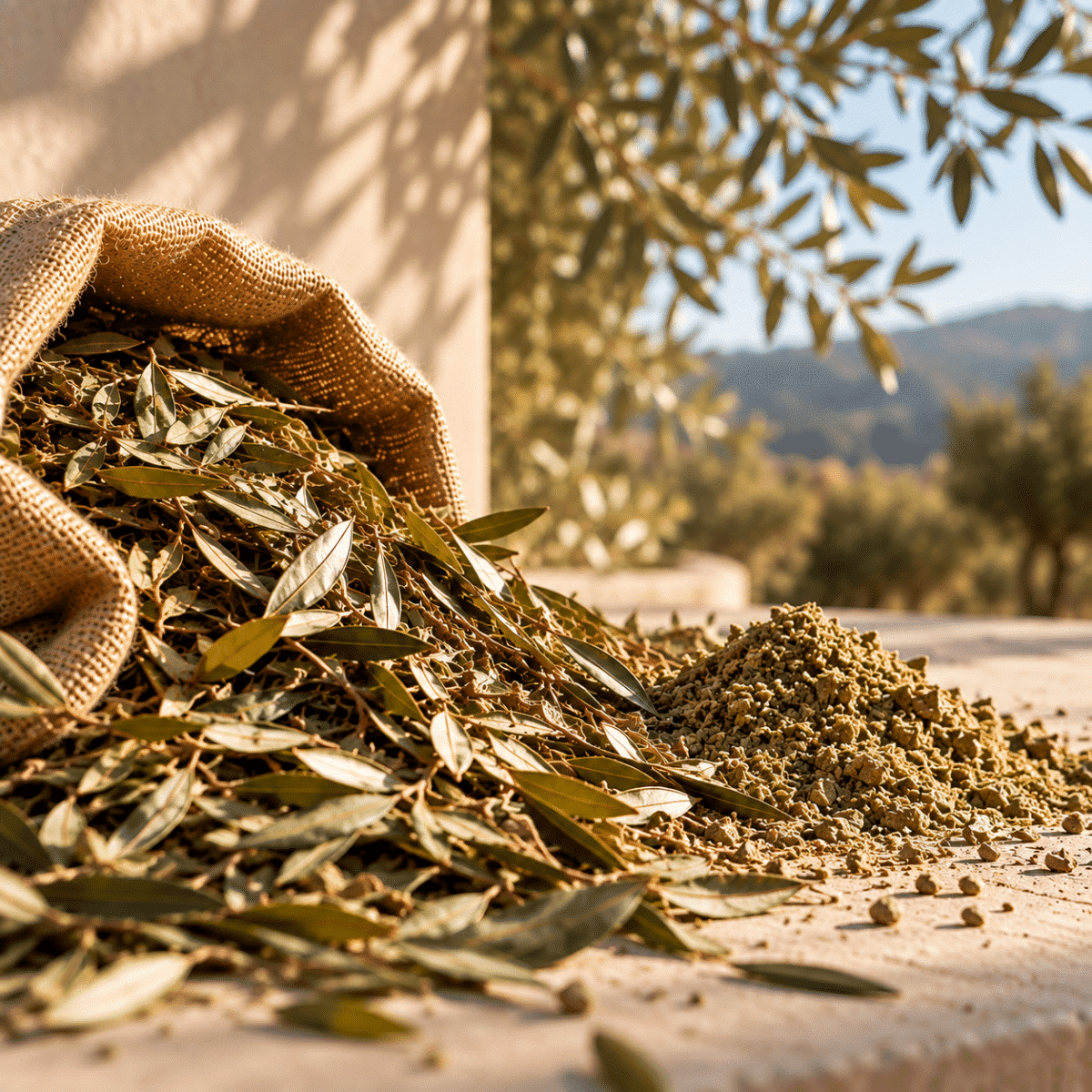
In Greece, the olive tree is not just a tree. It is a symbol of life, resilience, and prosperity. From antiquity to the present day, it has accompanied Mediterranean culture, nourishing not only our diet but also our collective memory.
The olive tree has long held a special symbolism. In ancient Greek tradition, the myth of the goddess Athena tells how she gifted the city’s inhabitants the first olive tree, offering a symbol of peace, wisdom, and prosperity—and thus the city took her name, Athens. In the Ancient Olympic Games, victors were crowned with a kotinos, a wreath made of olive branches, symbolizing honor and virtue. Perhaps this is why the olive tree continues to inspire creators to this day. The understated beauty of its leaves, the textures of its trunk, and its deep connection to the Greek landscape are elements that are constantly reinterpreted into new forms of expression—from traditional art to contemporary design.
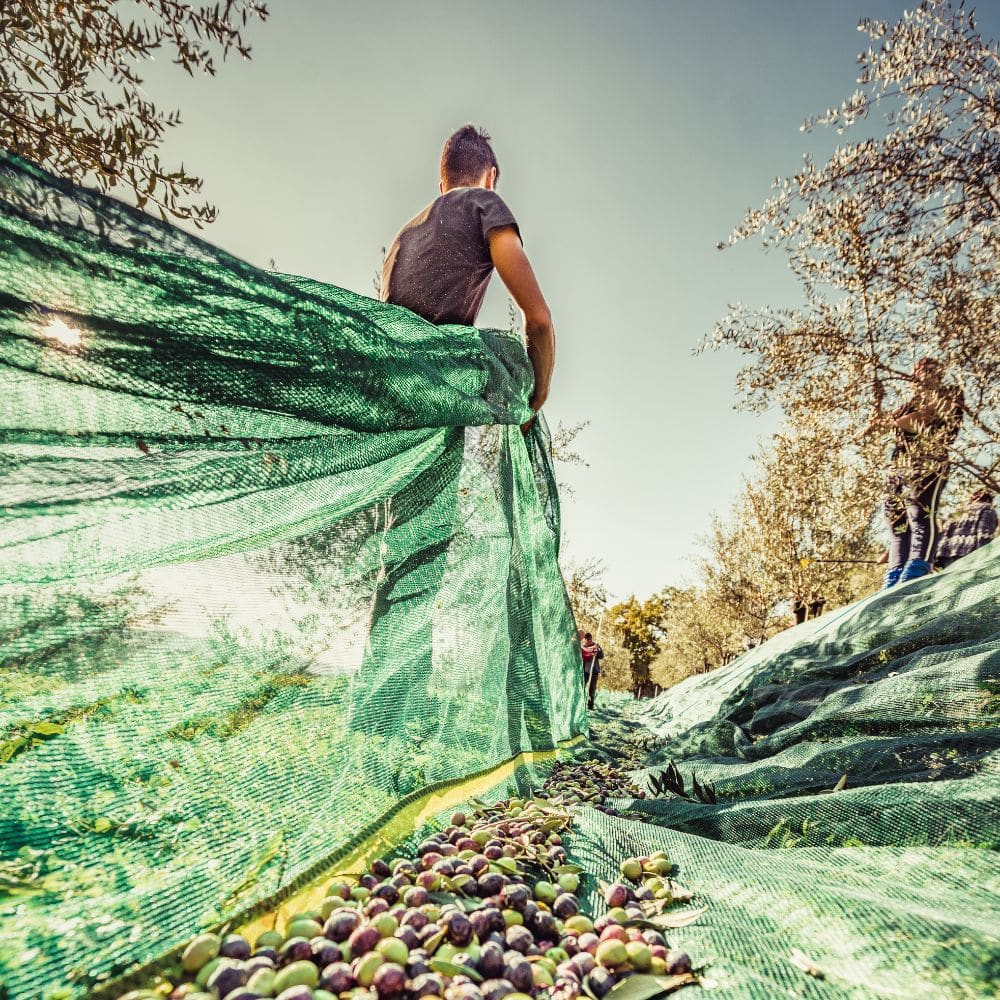
Liofyllo was born precisely from this deep connection with Greek nature and tradition. The idea behind the initiative is simple yet meaningful: to redefine the way we perceive the materials offered by the land and to discover the creative potential hidden within them.
At the core of Liofyllo’s philosophy lies the union of three elements: tradition, sustainability, and innovation. On one hand, the olive tree represents a timeless heritage deeply connected to Greek identity. On the other hand, modern reality calls for new ways of thinking about how we manage natural resources and the materials we use.
In this way, we continue a very old tradition: transforming natural materials into objects that combine functionality, aesthetics, and cultural memory. Within this timeless relationship between nature and creation, Liofyllo’s contemporary approach finds its place—drawing inspiration from the past to give new form to the materials of today.